
The company’s latest Impact Report shows how it continues to act for the future, connect with changemakers and inspire a message of change
Amsterdam, 19th June 2023 – In its latest Impact Report FY21-22, The Social Hub, formerly known as The Student Hotel, sets out its progress towards creating a better society for all. The hybrid hospitality company continues to champion Diversity & Inclusion, advance the United Nation’s Sustainable Development Goals and empower its community to make a positive impact on the lives of those who need it most. In the report, The Social Hub also outlines its serious ambitions, like becoming a zero-waste company by 2030.

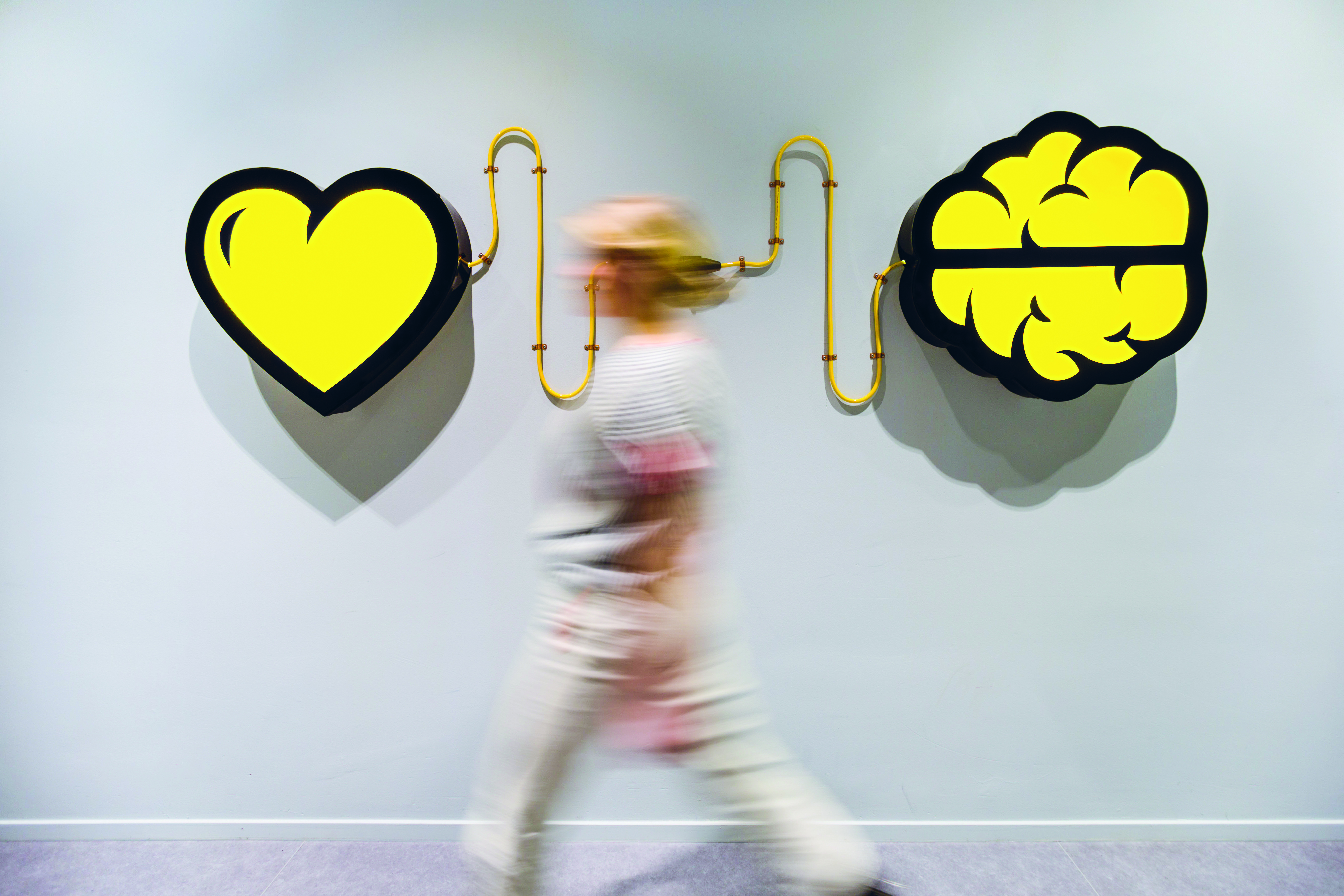
The Social Hub aims to remain as responsible and impactful as possible – both in terms of how it builds its hubs and how it engages with its communities. The company believes in leading by example, collaborating with like-minded partners and driving industry change; all while setting realistic and measurable sustainability goals, as outlined in its report.
“An Impact Report is a funny thing. While it’s an important moment to capture our achievements, learn some lessons from hindsight and plan for the future; for me, these topics are not something to only think about annually. They are something to embed into our everyday decision-making,” Charlie MacGregor, CEO & Founder of The Social Hub, comments.
As part of its ongoing sustainability mission, The Social Hub strives to act for the future, connect with changemakers and inspire for change.
With COVID-19 in the past, The Social Hub could refocus its efforts on becoming a zero-waste company. During FY21-22, some hubs improved their recycling practices, while others remained at about the same level. The company noted that COVID-19 measures in the hospitality industry – like implementing single-use packaging for hygienic purposes – conflicted with its ambitions to reduce waste.
The Social Hub’s waste management highlights included reintroducing Too Good To Go in all its hubs in the Netherlands where users can reserve a breakfast box filled with delicious leftovers from The Social Hub’s breakfast buffet. As a result, food waste is significantly reduced.
As part of The Social Hub’s ambition to reduce its Greenhouse Gas (GHG) emissions, it reached out to Metabolic to do a full analysis of its business operations. The hybrid hospitality company also committed to the Science Based Targets initiative (SBTi) to have its GHG emissions reduction pathways verified.
“Going through every aspect of our business operations to understand our impact on the planet and society, proved to be an eye-opening experience,” Amber Westerborg, Director of Sustainability & Impact of The Social Hub, notes.
“With this quantifiable direction, we can now review our supply chain, day-to-day operations and design process, and truly challenge ourselves to work towards a net-zero future.”
Highlights from the year include the installation of solar panels on the rooftop of hubs in Barcelona, Madrid and Toulouse, and reducing the company’s carbon emissions from corporate air travel by 26% compared to FY19-20. For the third year in a row, The Social Hub partnered with WeForest to compensate for these emissions. A total of 10,000 trees were planted in FY21-22, bringing the grand total to 30,000 trees.
With the Russian invasion of Ukraine in February 2022, a new humanitarian crisis unfolded as millions of Ukrainians fled their country. Assisting with the housing efforts of EU countries, The Social Hub offered hotel rooms to those in need.
Since COVID-19 travel measures subsided, The Social Hub could also resume its Movement on the Ground volunteer trip for The Social Hub employees, supporting those in need at Camp Moria in Lesbos, Greece.
Another milestone involving social impact, was the escalation of The Social Hub’s commitment to make Diversity & Inclusion (D&I) an essential part of the company culture. Its D&I Workshop is now a fixed part of the onboarding process, where employees deep dive into the foundation of D&I – like micro-aggressions and unconscious bias – and learn more about what it means to be an inclusive team.
Under the mentorship of The Inclusion Factory, The Social Hub’s Executive Board also participated in interactive sessions, which led to a new D&I strategy, including diversifying and empowering employees, and designing spaces with inclusivity in mind.
As part of its ambition to drive industry change where possible, The Social Hub established a new type of loan structure with UniCredit and SACE for the development of its upcoming properties in Rome and Florence Belfiore. According to the loan agreement, The Social Hub receives a discount on the interest rate, which will be reinvested by providing scholarships in the form of rent reductions to students from disadvantaged socio-economic backgrounds. With this loan structure, approximately 80 students are expected to be supported over the course of five years.
Now that The Social Hub has more insight into its carbon footprint, the company intends to focus on ways to significantly reduce its environmental impact. This includes taking the next steps in its zero-waste journey and scaling up its food waste efforts.
Read the full Impact Report here.